

Santa Cruz neighborhoods and visitor areas are easiest to plan around downtown, the coast, and the stops between them. Santa Cruz METRO buses connect the city with nearby communities, while walking and driving let you choose how to get between local stops.
- Downtown: Santa Cruz city centre is about a 15-minute walk from a motel in Santa Cruz.
- Coast: Beach Station is a coastal transit stop.
- Local transit: METRO connects Santa Cruz with Capitola, Watsonville, Scotts Valley, and several unincorporated areas.
- Fares: Local adult cash fares start at $2 for one ride; fares and payment rules can change.

How Santa Cruz is laid out for visitors
Downtown, the coast, and inland destinations offer distinct parts of Santa Cruz to include in your plans. Beach Station marks a coast-side stop, while the University of California, Santa Cruz and Neary Lagoon Wildlife Refuge are other destinations around the city.
If you’re mapping a day around downtown and the coast, a downtown-to-coast Santa Cruz day itinerary can help group the areas into one plan.
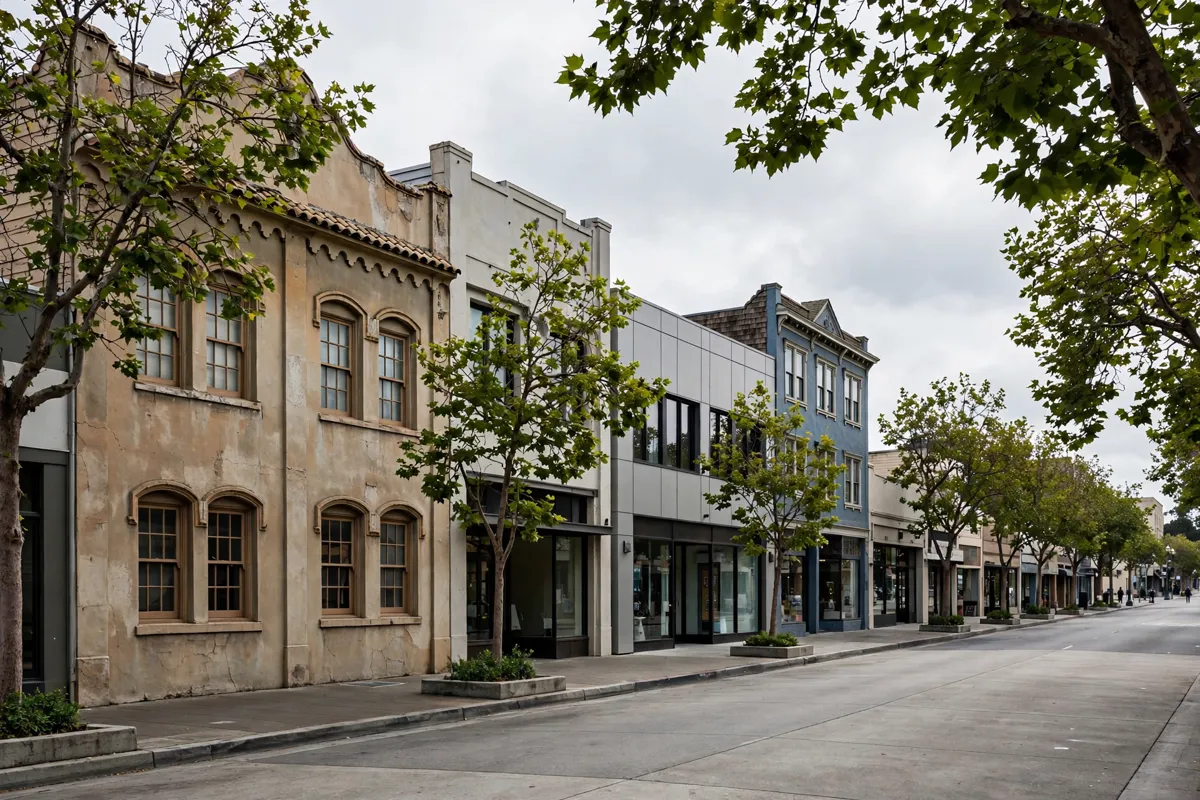
Downtown and the historic district
Downtown Santa Cruz is a practical starting point for city-centre stops and local transit. Santa Cruz Mission State Historic Park and Hinds House are landmarks in this part of the city.
For a visit focused on the mission site, planning a visit to Santa Cruz Mission State Historic Park gives the landmark its own itinerary.

Beach area and Lighthouse Point
The coast is a separate part of a Santa Cruz itinerary from downtown. Undertow, the Giant Dipper, the Santa Cruz Museum of Natural History, and the Santa Cruz Surfing Museum are coastal stops to group together.
If you’re adding the Surfing Museum to a coastal outing, consider grouping it with other coast-side stops rather than treating it as a downtown detour.
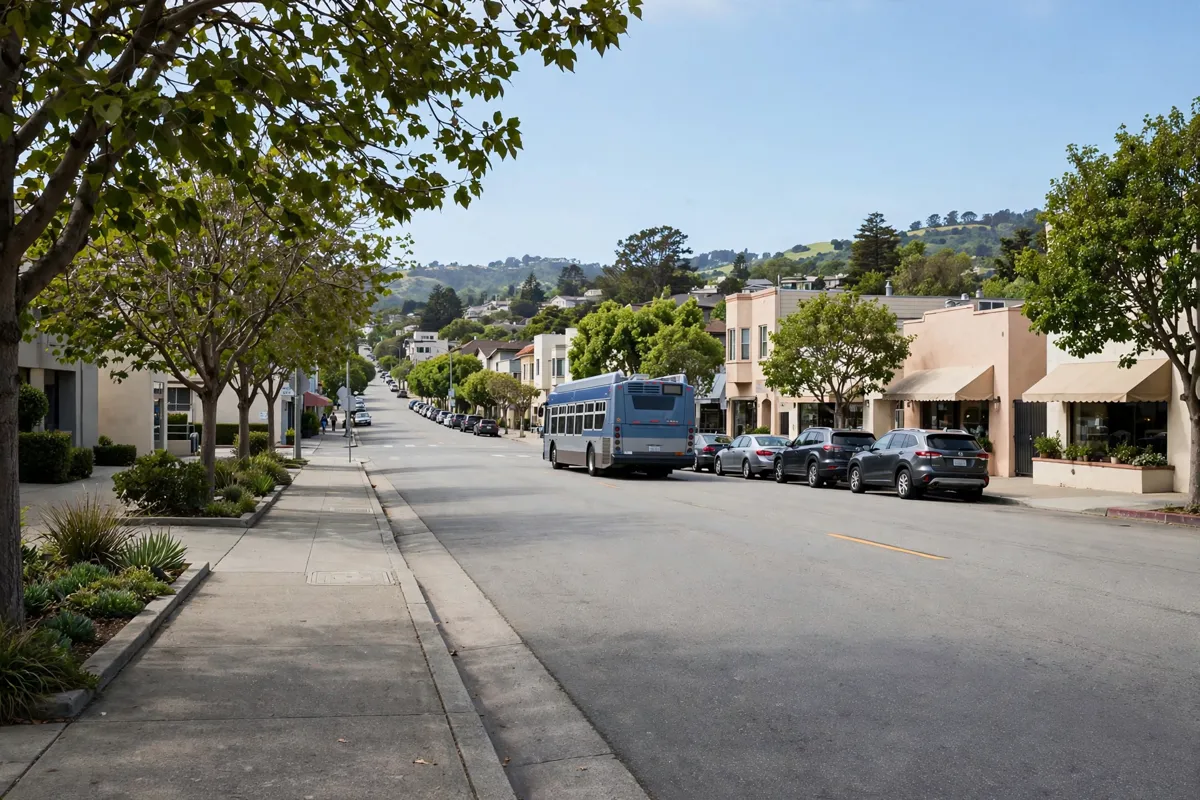
Transit, walking, and driving
Santa Cruz METRO buses connect Santa Cruz with Capitola, Watsonville, Scotts Valley, and unincorporated communities including Aptos, Soquel, Live Oak, Bonny Doon, Davenport, and the San Lorenzo Valley.
Local adult cash fares are $2 for one ride, $6 for a day pass, and $65 for a 31-day pass. Adults aged 65 and over and people with disabilities have discounted cash fares of $1, $3, and $32 for those same fare types.
Tap2Cruz contactless payment has a $2 local adult fare per ride, a $5 daily cap, and a $65 rolling 31-day cap. K–12 students can ride free on METRO routes within Santa Cruz County through Youth Cruz Free.
Transfers between local METRO buses are free and available for two hours; if you pay with cash or a pass, request a transfer when boarding. Cash riders should bring exact change because operators do not provide change for larger bills.
METRO also offers free bicycle-rack use to fare-paying customers, on a first-come, first-served basis. Its real-time information website provides vehicle locations on route maps, predicted arrival times, and a trip planner. Check the official site before you go for current fares, routes, and service details.
Choosing a route for your plans
Group stops that sit in the same part of the city, then check the journey between areas. For a nature-focused outing, Neary Lagoon Wildlife Refuge is a destination to include in your plans; a walking guide to Neary Lagoon Wildlife Refuge can help you plan that stop.
METRO provides UCSC and Westside service, including Routes 11, 16, 18, 18B, 19, 19B, and 20, plus combined UCSC service. Route names and service details can change, so confirm the current route for your destination before setting out.
FAQs
How do you get around Santa Cruz?
You can travel by local METRO bus, on foot, or by car. METRO serves Santa Cruz and connects it with nearby cities and unincorporated areas.
Does METRO connect Santa Cruz with UCSC?
Yes. UCSC and Westside service includes Routes 11, 16, 18, 18B, 19, 19B, and 20, as well as combined UCSC service. Check current route information before travelling.
Can students ride METRO for free?
K–12 students can ride free on METRO routes within Santa Cruz County through the Youth Cruz Free program.
Can you take a bicycle on a METRO bus?
METRO provides free bicycle-rack use to fare-paying customers, subject to availability on a first-come, first-served basis.